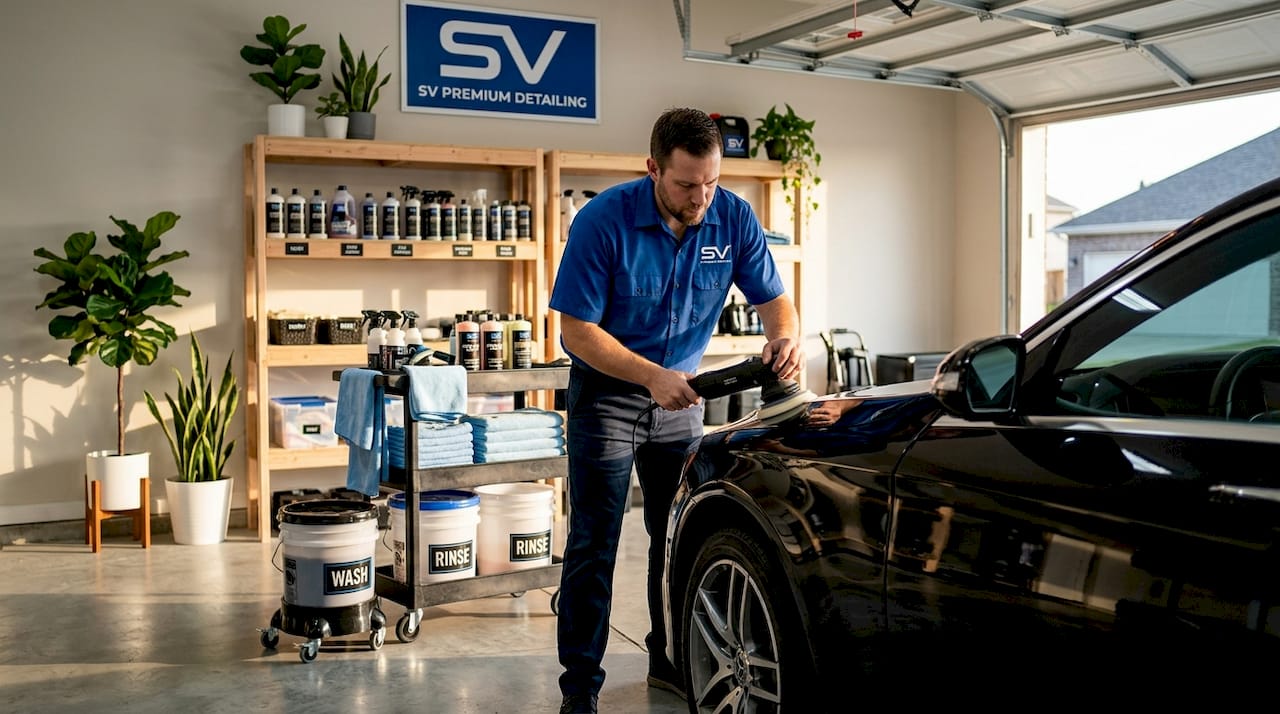
How to Choose Car Detailing Frequency: Your Guide
How to Choose Car Detailing Frequency: Your Guide
TL;DR:
- Your car detailing schedule depends on driving habits, climate, storage, and protection levels, with no universal standard.
- Regular washing every two weeks and professional details every four to six months help prevent damage and maintain vehicle appearance.
Your ideal car detailing frequency is determined by your driving habits, local climate, storage conditions, and how you use your vehicle’s interior. There is no universal schedule that works for every car owner. Knowing how to choose car detailing frequency means understanding the specific variables that affect your paint, clear coat, and interior materials, then building a schedule around those realities. This guide covers every factor that shapes a smart detailing schedule, from exterior wash cycles and protective coating timelines to interior maintenance tiers and budget-conscious planning. Whether you drive a daily commuter or a weekend luxury vehicle, you will leave with a clear, personalized framework.
What factors influence how to choose car detailing frequency?
Detailing frequency depends on vehicle use intensity and environment, and no single schedule suits every driver. The right starting point is an honest assessment of how, where, and how often you drive.
Driving habits and mileage are the most direct factor. A vehicle driven 30 miles daily through highway traffic accumulates road grime, tar, and brake dust far faster than one used twice a week for errands. High-mileage drivers typically need exterior detailing every three to four months rather than the standard six-month baseline.
Local climate plays an equally significant role. San Diego’s UV exposure accelerates paint oxidation, while coastal salt air attacks clear coats at the molecular level. Drivers in areas with heavy pollen seasons, acid rain, or road salt from winter weather face accelerated paint degradation and need to adjust their schedule accordingly.
Here are the primary factors to evaluate when building your detailing schedule:
- Storage conditions: Garaged vehicles experience significantly less UV damage, bird dropping exposure, and airborne contaminants than street-parked cars. A garaged car can often extend its exterior detail interval by four to six weeks.
- Vehicle type and paint color: Dark-colored vehicles, especially black and deep navy, show swirl marks, water spots, and dust far more visibly than silver or white finishes. Luxury vehicles with softer single-stage paint require more frequent attention to avoid micro-scratches.
- Interior occupancy patterns: Vehicles that regularly carry children, pets, or food see faster interior degradation. Pet hair embeds into fabric seats, food particles accelerate odor buildup, and muddy footwear damages carpet fibers.
- Protective coating status: A vehicle protected by a ceramic coating requires less frequent full detailing because the hydrophobic layer repels contaminants. An unprotected vehicle needs more frequent intervention to prevent oxidation.
Pro Tip: Before setting any schedule, photograph your paint under direct sunlight and inspect your interior under a flashlight. These two checks reveal contamination levels that are invisible under normal lighting and give you a precise baseline for frequency decisions.
How often should you detail your car’s exterior and why?
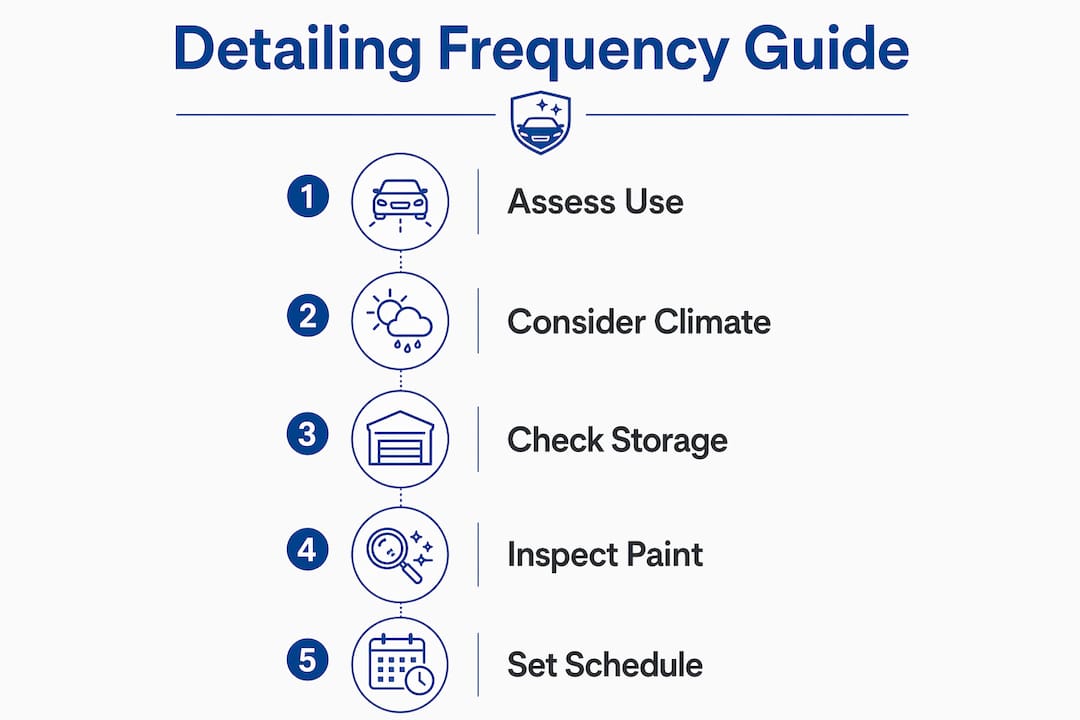
The standard professional exterior detailing interval is every four to six months for most drivers under average conditions. This baseline assumes regular washing between professional sessions and a vehicle that is not exposed to extreme environmental stress.
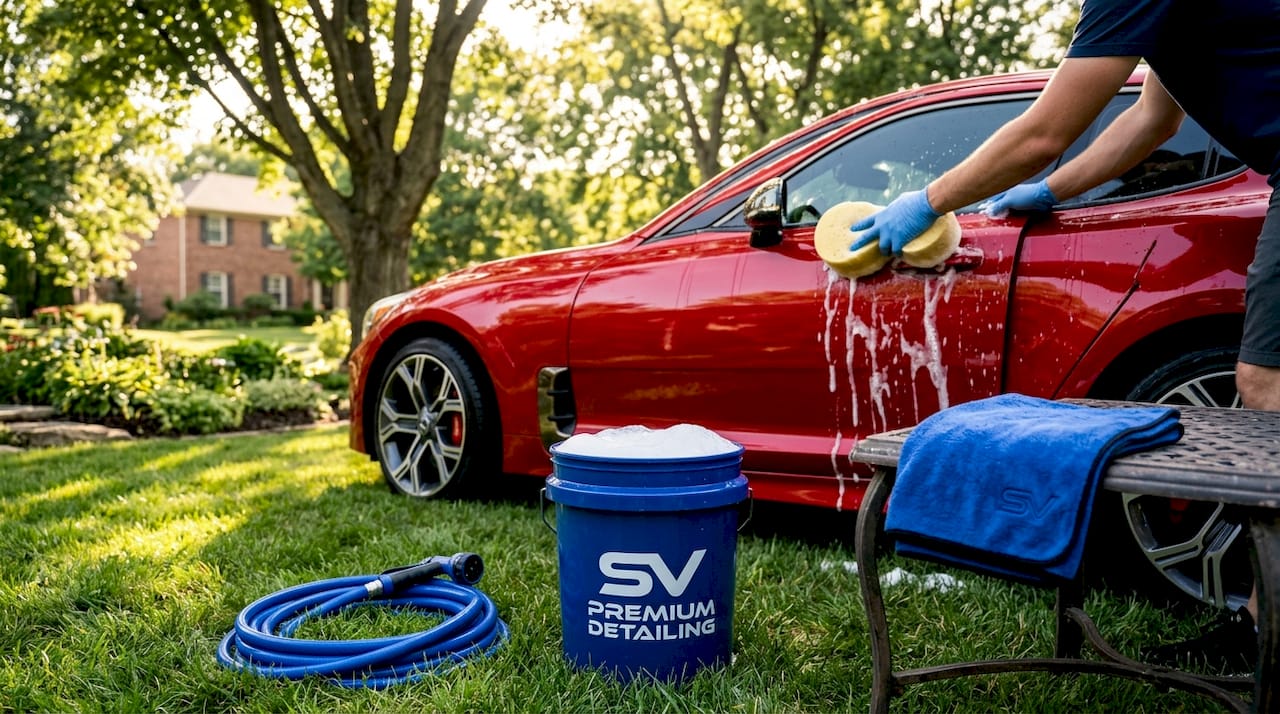
Washing every two weeks removes contaminants before they bond to the paint surface and cause premature oxidation. This biweekly wash cycle is the single most effective habit you can build between professional detailing appointments. Skipping washes for a month or more allows iron particles, tree sap, and bird droppings to etch into the clear coat, which then requires paint correction rather than simple detailing.
The table below compares the main exterior protection methods, their typical durability, and how each one affects your overall detailing schedule:
| Protection type | Typical durability | Effect on detailing frequency |
|---|---|---|
| Hand wash only | N/A (maintenance) | Requires professional detail every 3-4 months |
| Carnauba wax | 2-6 months | Professional detail every 4-6 months |
| Paint sealant | 6-12 months | Professional detail every 6 months |
| Ceramic coating | 2-5 years | Professional detail every 6-12 months |
Wax protection lasts between two and six months depending on climate and usage, which means drivers in harsh environments need reapplication closer to the two-month end of that range. Ceramic coatings, by contrast, create a durable semi-permanent bond with the paint that dramatically extends the interval between full exterior details. You can compare ceramic coating vs. wax options in detail to understand which protection level matches your driving conditions and budget.
Unprotected paint begins showing notable oxidation and fading within five to seven years, while paint maintained with regular washing and protective coatings can last ten to fifteen years or more. This timeline makes a compelling case for treating exterior detailing as preventive maintenance rather than cosmetic upkeep.
Signs that you need exterior detailing sooner than your scheduled interval include visible water beading failure (water no longer sheets off the surface), a chalky or dull appearance in direct sunlight, visible swirl marks or light scratches, and contaminants that do not wash off with a standard rinse. If you notice any of these, paint correction services may be needed before a standard detail can restore the finish.
Pro Tip: After every wash, run a clean plastic bag over a dry panel. If it drags or feels rough, your paint has bonded contamination that a standard wash cannot remove. This is the signal to schedule a clay bar decontamination as part of your next detail.
How often should you detail your car’s interior for best results?
Professional interior detailing every three to six months is the recommended interval for deep cleaning, conditioning, and odor removal. This schedule applies to most drivers, with the shorter end of the range applying to vehicles with high occupancy, pets, or food consumption inside the cabin.
The key to reducing how often you need a full professional interior detail is maintaining consistent light-maintenance habits between appointments. Weekly vacuuming and biweekly surface wipe-downs prevent the buildup of dirt, debris, and moisture that leads to odor and material damage. These habits take less than fifteen minutes per week and directly reduce the frequency of costly deep cleans.
Here is a practical interior maintenance schedule organized by tier:
- Weekly: Vacuum all floor mats, seats, and cargo areas. Remove loose debris from cup holders and door pockets. This prevents dirt from being ground into carpet fibers.
- Every two weeks: Wipe down hard surfaces including the dashboard, center console, and door panels with a microfiber cloth and an interior detailing spray. Clean the inside of windows to remove film buildup that impairs visibility.
- Monthly: Condition leather seats with a product like Leather Honey or Chemical Guys Leather Conditioner to prevent cracking and fading. Treat fabric seats with a fabric protector spray to repel spills.
- Every three to six months: Schedule a professional interior detail that includes steam cleaning, deep carpet extraction, leather conditioning, odor treatment, and vinyl dressing. This is the reset that light maintenance cannot replicate.
The materials inside your vehicle determine how quickly damage accumulates. Leather requires conditioning to prevent cracking, especially in San Diego’s dry heat. Fabric seats absorb odors and stains more readily than leather and benefit from professional extraction cleaning. Vinyl surfaces are the most forgiving but still need regular dressing to prevent UV-related cracking. If your vehicle carries pets regularly, consider a car AC odor check as part of your interior maintenance routine, since pet dander and moisture can migrate into the HVAC system and create persistent odors.
Pro Tip: Place a small silica gel pack under each front seat. These absorb moisture that accumulates from wet shoes, spilled drinks, and humidity, and they directly reduce the mold and mildew risk that drives up interior detailing frequency.
How to balance detailing frequency with budget and schedule?
Choosing the right detailing frequency is not only about what your vehicle needs. It is also about what fits your lifestyle and budget without creating a maintenance burden you will not sustain.
The first decision is where to draw the line between DIY maintenance and professional detailing. DIY washing and light interior cleaning cost very little and can be done on your own schedule. Professional exterior detailing in San Diego typically ranges from $150 to $400 depending on vehicle size and service depth, while full interior details run $100 to $300. Ceramic coating applications represent a larger upfront investment but reduce the total number of professional details needed over a two to five year period, making them cost-effective for drivers who plan to keep their vehicle long-term.
Here are practical strategies for balancing your detailing schedule with real-world constraints:
- Prioritize by condition, not calendar: Inspect your paint and interior monthly. If your wax is still beading water effectively and your interior smells clean, you can safely delay a professional detail by four to six weeks without damage.
- Use a detailing membership plan: Scheduled membership plans lock in regular appointments at reduced rates and remove the friction of booking. This consistency produces better long-term results than sporadic full details.
- Adjust for seasons: San Diego’s summer UV intensity warrants a fresh wax or sealant application in May before peak sun exposure. A detail in October after summer dust and heat prepares the paint for the mild rainy season.
- Maximize light maintenance between professional visits: A car care checklist built around your weekly routine reduces the workload at each professional appointment and extends the interval between full details.
- Batch services strategically: Combine an exterior detail with an interior deep clean twice a year rather than scheduling them separately. Full-service packages typically cost less per service than individual bookings.
New vehicles deserve special attention in the first month of ownership. Protective coatings applied within 30 days of purchase maximize paint life. Delaying this step increases the frequency of detailing needed to compensate for unprotected paint exposure.
Common mistakes to avoid when choosing your car detailing schedule
Most detailing mistakes come from either doing too little too infrequently or using the wrong methods at the wrong intervals. Both extremes damage your vehicle and increase long-term costs.
- Neglecting interior maintenance between professional details: Most car owners focus on exterior appearance and skip the weekly vacuuming and biweekly wipe-downs that prevent odor and material damage. Skipping these steps means a professional detail every three months instead of every six.
- Washing too infrequently: Going more than three weeks without washing allows iron particles, bird droppings, and tree sap to etch into the clear coat. Once etching occurs, a standard wash cannot reverse the damage.
- Using harsh automatic washes regularly: Frequent automatic washes damage the clear coat through abrasive brushes and strong chemical detergents. Touchless washes are a safer alternative, but hand washing remains the gold standard for paint preservation.
- Skipping protective coating reapplications: Wax that has worn off provides no protection. Driving on expired wax for months is equivalent to driving with no paint protection at all, accelerating oxidation and UV damage. San Diego’s sun makes this mistake particularly costly. Read more about preventing UV paint damage specific to the local climate.
- Not adjusting frequency for seasonal or climate changes: A detailing schedule that works in mild spring weather is not adequate during peak summer UV exposure or after heavy winter rains. Reviewing and adjusting your schedule twice a year prevents gaps in protection.
Proper drying technique after every wash also matters. Allowing a vehicle to air-dry in direct sunlight creates water spots that etch into the clear coat over time, adding unnecessary work to your next detail appointment.
Key takeaways
Choosing the right car detailing frequency requires matching your schedule to your specific driving conditions, climate, and protection status rather than following a generic calendar.
| Point | Details |
|---|---|
| Personalize your schedule | Base your detailing frequency on driving habits, climate, storage, and coating status. |
| Exterior baseline is 4-6 months | Wash every two weeks between professional exterior details to prevent paint damage. |
| Interior maintenance reduces costs | Weekly vacuuming and biweekly wipe-downs extend professional interior detail intervals to 6 months. |
| Protective coatings change the math | Ceramic coatings extend exterior detail intervals and reduce total long-term detailing costs. |
| Avoid common schedule mistakes | Skipping washes, using harsh automatic washes, and ignoring coating reapplications accelerate paint damage. |
What I have learned from years of watching detailing schedules succeed and fail
Working closely with vehicle owners across San Diego, I have noticed a consistent pattern. The drivers who maintain the best-looking cars are not the ones who book the most expensive full details. They are the ones who show up to each professional appointment with a car that has been washed regularly and wiped down weekly. Their details take less time, produce better results, and cost less per visit because the professional is restoring rather than rescuing.
The most underrated insight I can share is this: the gap between a car that looks great at three years old and one that looks tired is almost never a single missed detail. It is six months of skipped washes, a wax coat that wore off and was never replaced, and an interior that accumulated odors because no one vacuumed it for two months. These small omissions compound.
I also see owners of luxury vehicles make a specific mistake. They invest in a premium ceramic coating and then assume the car is maintenance-free. A ceramic coating is not a substitute for washing. It makes washing more effective and extends protection, but a coated car still needs a wash every two weeks and a professional inspection detail once or twice a year to check for coating degradation, contamination bonding, and any paint correction needs before they become serious.
My practical advice is to start with a written schedule, even a simple one. Assign a wash day every two weeks. Set a calendar reminder for a professional exterior detail in April and October. Add an interior deep clean in January and July. Then adjust based on what you observe. Your car will tell you when it needs more attention. Water beading failure, dull paint, and interior odors are all clear signals. Respond to them early and you will spend less money and keep your vehicle in genuinely excellent condition for years longer than average.
— Dylan
Keep your vehicle in peak condition with Severindetailing
Severindetailing brings professional-grade mobile detailing directly to your home or office across San Diego County, making it straightforward to maintain the exact detailing frequency your vehicle needs without rearranging your schedule.

Whether you need a full exterior and interior detail on a quarterly schedule or a ceramic coating to extend your paint protection and reduce long-term detailing frequency, Severindetailing offers packages built around your specific vehicle and lifestyle. With a 5.0 Google rating and fully insured mobile service, you get meticulous, professional results at your location. Book your detail today and set up a schedule that protects your vehicle’s appearance and value from the first appointment forward.
FAQ
How often should you detail your car?
Most vehicles benefit from professional exterior detailing every four to six months and a professional interior detail every three to six months. High-use vehicles, those exposed to harsh climates, or cars without protective coatings may need more frequent attention.
Does a ceramic coating reduce how often you need to detail?
Yes. A ceramic coating creates a durable hydrophobic layer that repels contaminants and extends the interval between professional exterior details to six to twelve months. Regular washing is still required every two weeks to maintain the coating’s performance.
What is the most important detailing habit between professional appointments?
Washing every two weeks is the single most protective habit between professional details. It removes bonded contaminants before they etch into the clear coat and keeps your paint in the condition needed for a professional detail to deliver full results.
How do I know when my car needs detailing sooner than scheduled?
Check whether water still beads and sheets off the paint surface. If it does not, your protective coating has worn off and detailing is overdue. Dull paint under direct sunlight, visible swirl marks, and persistent interior odors are additional signs that your schedule needs adjustment.
Does driving in San Diego change how often I should detail my car?
San Diego’s intense UV exposure and coastal salt air accelerate paint oxidation and clear coat degradation compared to milder climates. Drivers in San Diego benefit from wax or sealant reapplication every two to three months and should prioritize UV-protective coatings to maintain paint condition year-round.