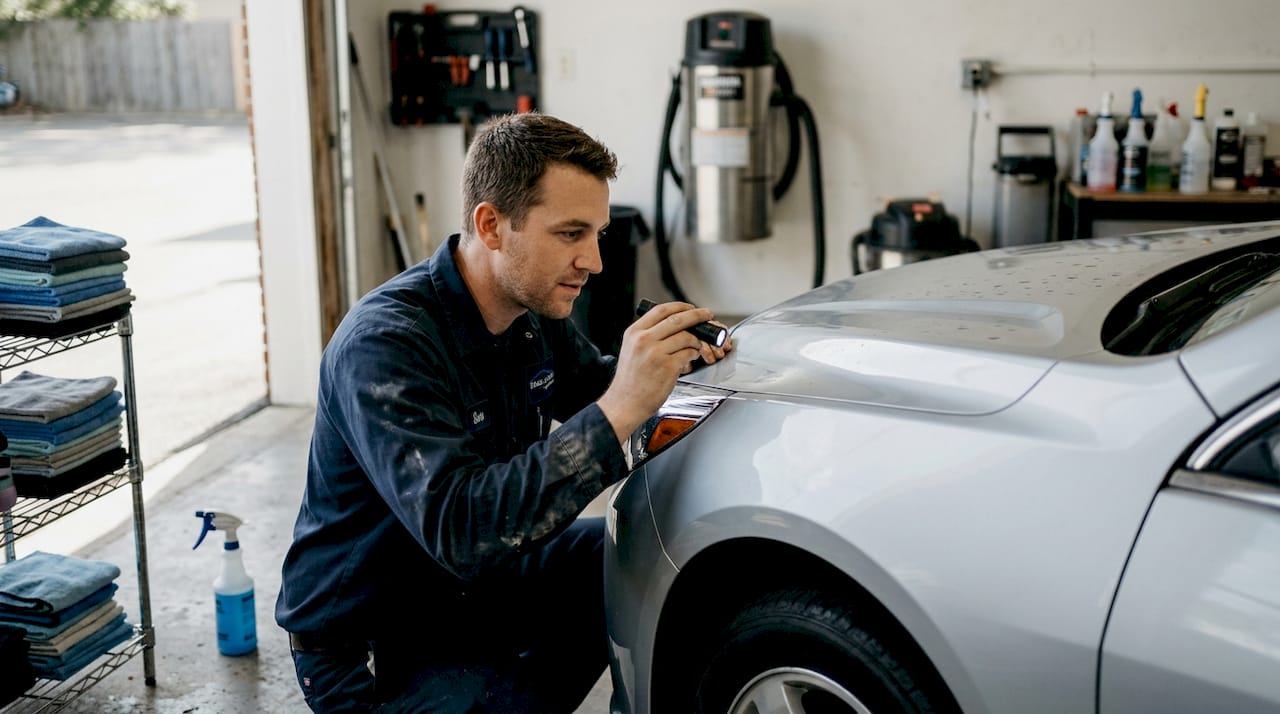
Why ceramic coating fails and how to prevent it: 5 key tips
Why ceramic coating fails and how to prevent it: 5 key tips
TL;DR:
- Ceramic coatings degrade due to pH extremes, abrasion, UV, and environmental factors, especially in San Diego.
- Proper surface preparation and regular maintenance are crucial for maximizing coating lifespan.
- Early signs of failure include reduced water beading and increased surface roughness; prompt professional intervention helps.
Imagine spending several hundred dollars on a professional ceramic coating for your car, only to notice water no longer beads off the hood six months later. The finish looks dull, contaminants stick more easily, and the protection you paid for seems to have vanished. This is more common than most detailing shops will tell you. Ceramic coatings are genuinely powerful paint protection tools, but they are not indestructible. San Diego’s intense UV exposure, coastal salt air, and year-round driving create demanding conditions that accelerate coating wear. Understanding why coatings fail, and what you can do to prevent it, is the difference between a coating that lasts two years and one that lasts five.
Table of Contents
- Understanding why ceramic coatings fail
- Essential preparation steps before applying ceramic coating
- Proper maintenance to maximize coating lifespan
- Spotting and fixing early signs of coating failure
- The truth about ceramic coatings: What most guides won’t admit
- Protect your investment with expert ceramic coating service
- Frequently asked questions
Key Takeaways
| Point | Details |
|---|---|
| Coating failures are common | Most ceramic coatings don’t last as long as advertised due to real-world factors. |
| Prep is critical | Proper surface preparation directly affects coating durability. |
| Maintenance extends life | Gentle, regular care and using the right products prevent early failure. |
| Recognize early warning signs | Loss of water beading and roughness indicate coating problems. |
| Pro help saves money | Expert correction or re-application is often more cost-effective than repeated DIY attempts. |
Understanding why ceramic coatings fail
Ceramic coatings are built around silicon dioxide (SiO2), a compound that bonds chemically to your car’s clearcoat and forms a semi-permanent hydrophobic layer (a surface that repels water). When applied correctly, this layer resists contamination, UV rays, and light scratches. But the coating is thin, typically 1 to 3 microns, and that thinness makes it vulnerable in ways marketing materials rarely mention.
Ceramic coatings bond to your car’s clearcoat but can break down from pH extremes, surface abrasion, and stress corrosion. This means that a single wash with the wrong soap or one encounter with a harsh chemical can begin degrading the coating at a molecular level. The damage is not always visible right away, which is what makes it so frustrating.
Here are the primary failure mechanisms you need to know:
- pH extremes: Highly acidic or highly alkaline products strip the SiO2 layer. This includes automatic car wash detergents, bug removers, and wheel cleaners not rated as coating-safe.
- Surface abrasion: Improper washing tools like rough sponges or dirty microfiber towels introduce micro-scratches that physically wear down the coating over time.
- Molecular breakdown: Prolonged UV exposure, especially in San Diego’s climate, degrades the chemical bonds in the coating, reducing its hardness and hydrophobic performance.
- Coating thinness: Even a professionally applied coating is only a few microns thick. Any repeated mechanical or chemical stress removes material that cannot regenerate.
San Diego’s environment is particularly demanding. Salt air from the ocean accelerates chemical corrosion on the coating surface. High UV index days are frequent, and the combination of heat and sun exposure speeds up molecular breakdown. Bird droppings and tree sap, both highly acidic, are common hazards that can etch through a weakened coating within hours.
| Factor | Effect on coating | San Diego risk level |
|---|---|---|
| UV exposure | Molecular bond breakdown | High |
| Salt air | Surface corrosion | High |
| Acidic contaminants | Chemical etching | Medium to high |
| Abrasive washing | Physical layer removal | Medium |
| pH-incorrect products | Rapid chemical degradation | High |
The ceramic coating lifespan in San Diego is directly tied to how well owners manage these environmental stressors.
Now that you know why a coating might not last as promised, let’s see what you can do to prevent it.
Essential preparation steps before applying ceramic coating
Preparation is the most important part of any ceramic coating job. It is also the step most often skipped or rushed, and it is the single biggest reason coatings fail prematurely. No matter how advanced the product is, a coating applied to an improperly prepared surface will not bond correctly and will begin failing within months.
Poor surface prep leads to early failure no matter how good the product is. This is not an opinion. It is a documented mechanical reality. The SiO2 molecules need a clean, smooth, contaminant-free surface to form a proper chemical bond with the clearcoat. Any barrier, whether it is old wax, iron particles, or microscopic scratches, prevents that bond from forming fully.
Here is the correct preparation sequence:
- Thorough wash: Use a pH-neutral car shampoo and a clean two-bucket method to remove all surface dirt and grime.
- Iron decontamination: Apply an iron remover spray to dissolve embedded metallic particles that a regular wash cannot remove.
- Clay bar treatment: Use a clay bar to physically pull out bonded contaminants like industrial fallout, tree sap residue, and road tar from the paint surface.
- Paint correction: Address swirl marks, scratches, and oxidation with a machine polisher before coating. Sealing in defects under a coating makes them permanent.
- Panel wipe: Use an isopropyl alcohol (IPA) solution to strip any remaining polish oils or residue, leaving the surface chemically clean and ready for bonding.
The difference between DIY and professional prep is significant. Most vehicle owners doing this at home skip iron decontamination or clay bar treatment, and very few have access to a machine polisher for proper paint correction. Professionals use paint depth gauges, controlled lighting, and professional-grade compounds to ensure the surface is truly ready.
| Preparation step | DIY quality | Professional quality |
|---|---|---|
| Wash and rinse | Good | Excellent |
| Iron decontamination | Often skipped | Always included |
| Clay bar treatment | Sometimes done | Always included |
| Paint correction | Rarely done | Standard practice |
| IPA panel wipe | Rarely done | Always included |
Common prep mistakes include washing the car in direct sunlight (which causes water spots before you even start), using a contaminated wash mitt, skipping clay bar on a car with rough-feeling paint, and applying the coating without a panel wipe. Each of these mistakes compromises the bond.
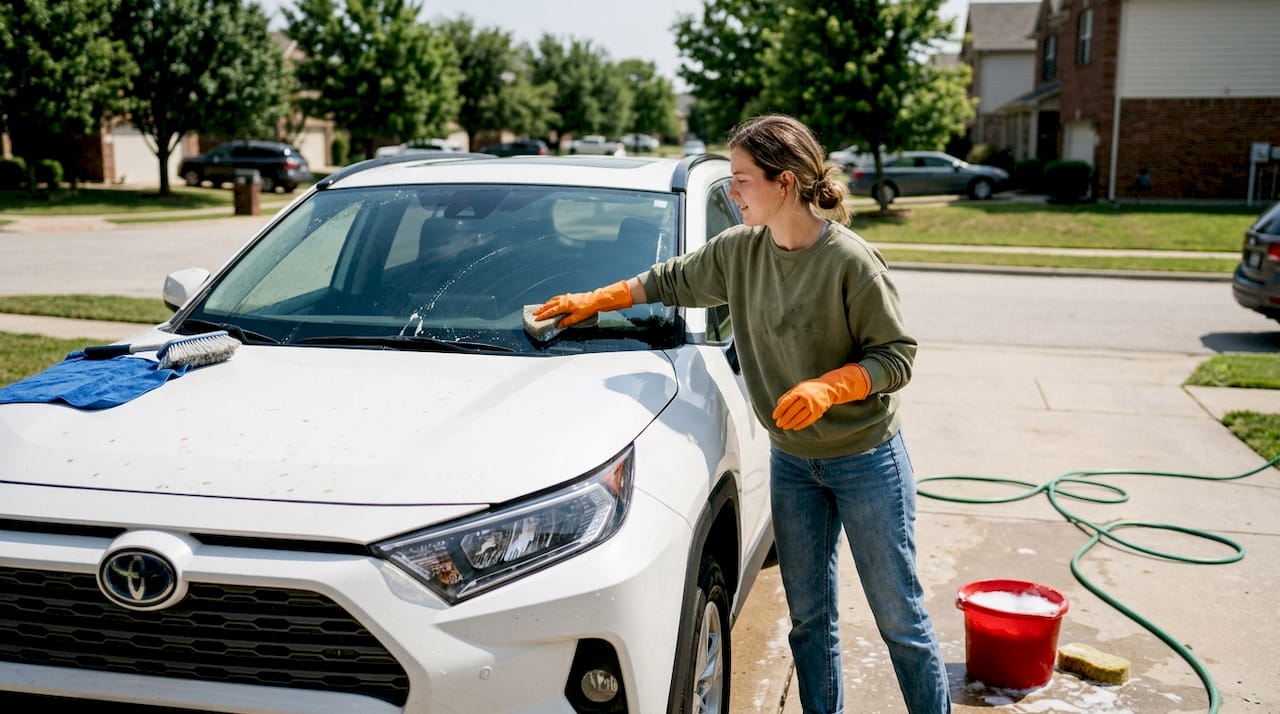
For a detailed look at what a proper job involves, review this professional surface prep guide. If your paint has visible scratches or swirl marks, total paint correction before coating is not optional. It is essential.
Pro Tip: Run the back of your clean hand across a freshly washed panel. If it feels rough or gritty, the surface needs clay bar treatment before coating. A properly prepped surface should feel as smooth as glass.
Preparation is crucial, but even after a perfect start, ongoing care determines long-term results.
Proper maintenance to maximize coating lifespan
Once a ceramic coating is applied and cured, your maintenance habits become the primary factor in how long it performs. San Diego’s specific environment means you face challenges that owners in other cities simply do not deal with at the same intensity.
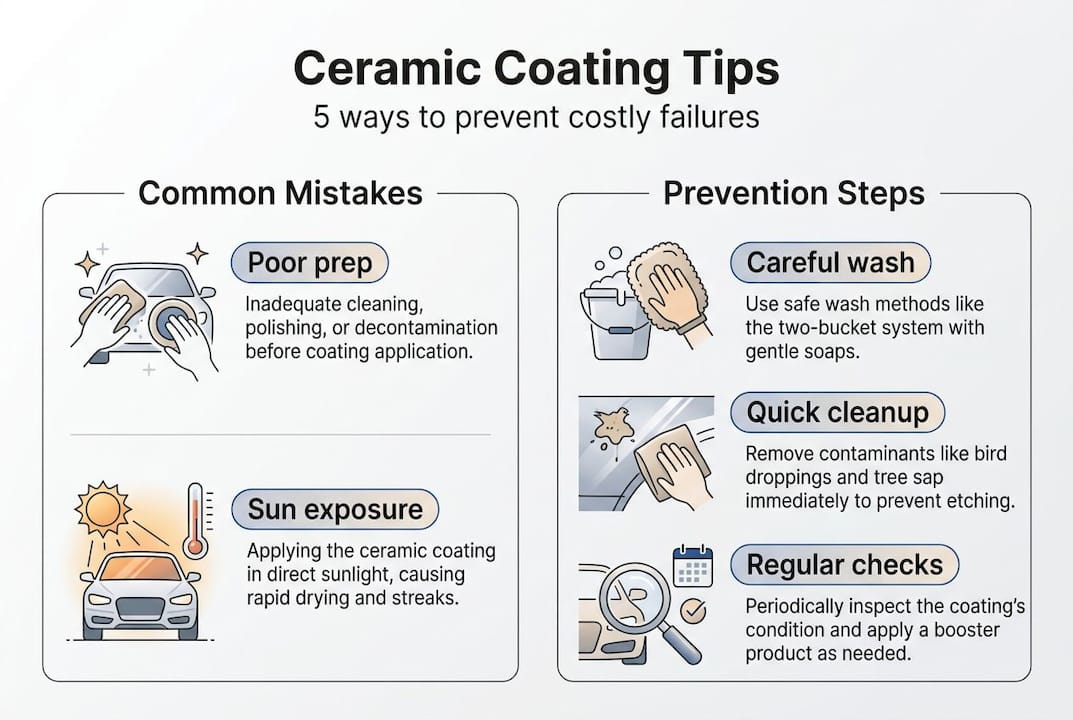
Salt air from the coast deposits microscopic particles on your paint constantly. These particles are mildly corrosive and accumulate between washes. Combined with San Diego’s strong UV exposure and the regular presence of bird droppings and tree sap, your coating faces a steady stream of chemical and environmental stress. Regular gentle washing is the most effective defense against abrasion, chemical attack, and environmental stress.
Here is what good maintenance looks like for San Diego owners:
Do:
- Wash your car every 1 to 2 weeks using a pH-neutral, coating-safe shampoo
- Use a clean, soft microfiber wash mitt and rinse it frequently
- Dry with a high-quality microfiber drying towel or a forced-air blower
- Remove bird droppings and tree sap immediately, within a few hours if possible
- Apply a coating-safe spray detailer or SiO2 booster every 3 to 4 months to refresh hydrophobic properties
- Park in a garage or shaded area when possible to reduce UV exposure
Don’t:
- Use automatic tunnel car washes with abrasive brushes
- Apply wax or sealant products on top of the coating (they interfere with performance)
- Use household cleaners, dish soap, or degreasers on coated paint
- Let water dry on the surface in direct sunlight, which leaves mineral deposits
- Ignore surface roughness or reduced water beading for more than a few weeks
For more location-specific guidance, these ceramic coating care tips are tailored to San Diego’s climate and driving conditions.
Pro Tip: The single habit that extends any coating’s life is prompt contamination removal. Bird droppings are highly acidic and can etch through a coating in as little as a few hours on a hot San Diego day. Keep a spray detailer and a clean microfiber cloth in your car so you can address spots immediately.
When to seek professional attention is also important. If you notice the coating is no longer beading water consistently, or if the surface feels rough despite regular washing, a professional inspection and possible touch-up can restore performance before deeper damage sets in.
But even with perfect prep and care, troubleshooting common failures quickly can save your paint and wallet.
Spotting and fixing early signs of coating failure
Even a well-maintained coating will eventually show signs of wear. Catching those signs early gives you options. Waiting too long turns a simple maintenance issue into a costly correction job.
Loss of water beading or surface roughness are critical visible cues that signal coating failure and require timely intervention. These are not cosmetic concerns. They indicate that the protective layer is thinning or has been chemically compromised.
Early warning signs to watch for:
- Reduced water beading: Water no longer forms tight beads and instead sheets or sits flat on the surface
- Increased surface roughness: The paint feels gritty or textured even after a thorough wash
- Difficulty cleaning: Contaminants stick more readily and require more effort to remove
- Visible water spots: Mineral deposits from water drying on the surface appear more frequently
- Uneven gloss: Certain panels look duller or less reflective than others, indicating uneven coating wear
- Swirl marks becoming visible: Previously corrected scratches reappear as the coating wears thin
Insufficient prep, harsh chemicals, or neglected washing routines are among the most common causes of these symptoms. Identifying the cause helps you choose the right fix.
Here is how to respond to each situation:
- Reduced beading only: Apply an SiO2 spray booster. This can temporarily restore hydrophobic properties and extend the time before full re-application is needed.
- Surface roughness: A light clay bar treatment followed by a booster spray can address bonded contamination that is causing the texture.
- Visible etching or swirl marks: This typically requires professional paint correction followed by spot re-application or a full new coating layer.
- Widespread coating failure: A full decontamination, paint correction, and re-application by a professional is the most effective solution.
The cost of acting early is almost always lower than waiting. Spot treatments and booster applications are relatively affordable. Full paint correction and re-coating, while worthwhile, represent a significantly larger investment. Monitoring your coating’s performance after each wash takes only a few minutes and gives you the information you need to act at the right time. For a clear view of what early signs of coating failure look like in practice, or to explore solutions for coating damage, it helps to consult with a professional who works with these issues regularly.
With prevention and timely action covered, here is how real-world approaches sometimes defy textbook advice.
The truth about ceramic coatings: What most guides won’t admit
Here is something most detailing content will not tell you directly: the gap between a coating’s advertised lifespan and its real-world performance is almost always the owner’s responsibility, not the product’s. Manufacturers test coatings in controlled conditions. Your car lives in San Diego traffic, coastal air, and a busy parking lot.
The realistic coating expectations for most vehicle owners in this area are 2 to 4 years of strong performance with consistent maintenance, not the 7 or 9 years some brands suggest. That is still excellent protection compared to wax or sealant, but it requires honest planning.
We also see many DIY-minded owners who do excellent research but underestimate how much surface prep quality matters in practice. Reading about clay bar treatment and actually executing it correctly on a full-size vehicle are very different experiences. There is no shame in recognizing that some jobs benefit from professional equipment and trained hands.
The most durable coatings we apply are not always on the newest or most expensive cars. They are on vehicles owned by people who wash regularly, address contamination quickly, and come back for a professional inspection once a year. Consistent, simple habits outperform occasional perfection every time. If your life is busy, focus on the basics: wash gently and often, remove contaminants fast, and skip the automatic car wash. That alone will take your coating much further than any booster product.
Protect your investment with expert ceramic coating service
You now have a clear picture of what causes ceramic coatings to fail and exactly what it takes to keep yours performing at its best. The next step is making sure the foundation is right from the start.

At Severin Detailing, we provide professional ceramic coating services across San Diego County, with full surface decontamination, paint correction, and meticulous application performed right at your home or office. Every job starts with the thorough prep work that makes coatings last. If your current coating is showing wear, our team can assess its condition and recommend the right solution, whether that is a booster treatment, spot correction, or a full re-application. Our paint correction services ensure your paint is in the best possible condition before any new coating goes on. Ready to protect your vehicle the right way? Book your ceramic coating appointment today and get a fast confirmation.
Frequently asked questions
What causes ceramic coating to fail prematurely?
Ceramic coatings fail via improper prep, pH extremes, and abrasion. Failure usually happens due to poor surface preparation, use of harsh chemicals, inadequate maintenance, or physical abrasion from incorrect washing tools.
How long does ceramic coating last in San Diego?
Professional coatings last 2 to 5 years, not the 5 to 10 years sometimes advertised. In San Diego conditions, consistent maintenance is what keeps a coating performing toward the higher end of that range.
Is DIY ceramic coating worth it?
DIY versions last 1 to 2 years and require excellent prep to avoid early failure. They are a reasonable option for budget-conscious owners, but the results depend heavily on surface preparation quality.
How do I know if my ceramic coating is failing?
Visible cues like loss of beading signal coating failure. Watch for water sitting flat on the paint, increased surface roughness, or contaminants that are harder to remove than usual.
Can a failed ceramic coating be fixed?
Spot re-application or correction may solve coating failure when caught early. Severe cases with deep etching or widespread wear typically need professional paint correction before a new coating can be applied effectively.
Recommended
- What’s included in a professional ceramic coating service
- How long ceramic coating lasts in San Diego: key facts
- Ceramic coating cost in San Diego: what to expect
- San Diego Auto Detailing Blog | Ceramic Coating & Paint Care
- How to maintain ceramic coatings for lasting protection
- How To Apply Ceramic Coating: Step-by-step Guide For Car Owners